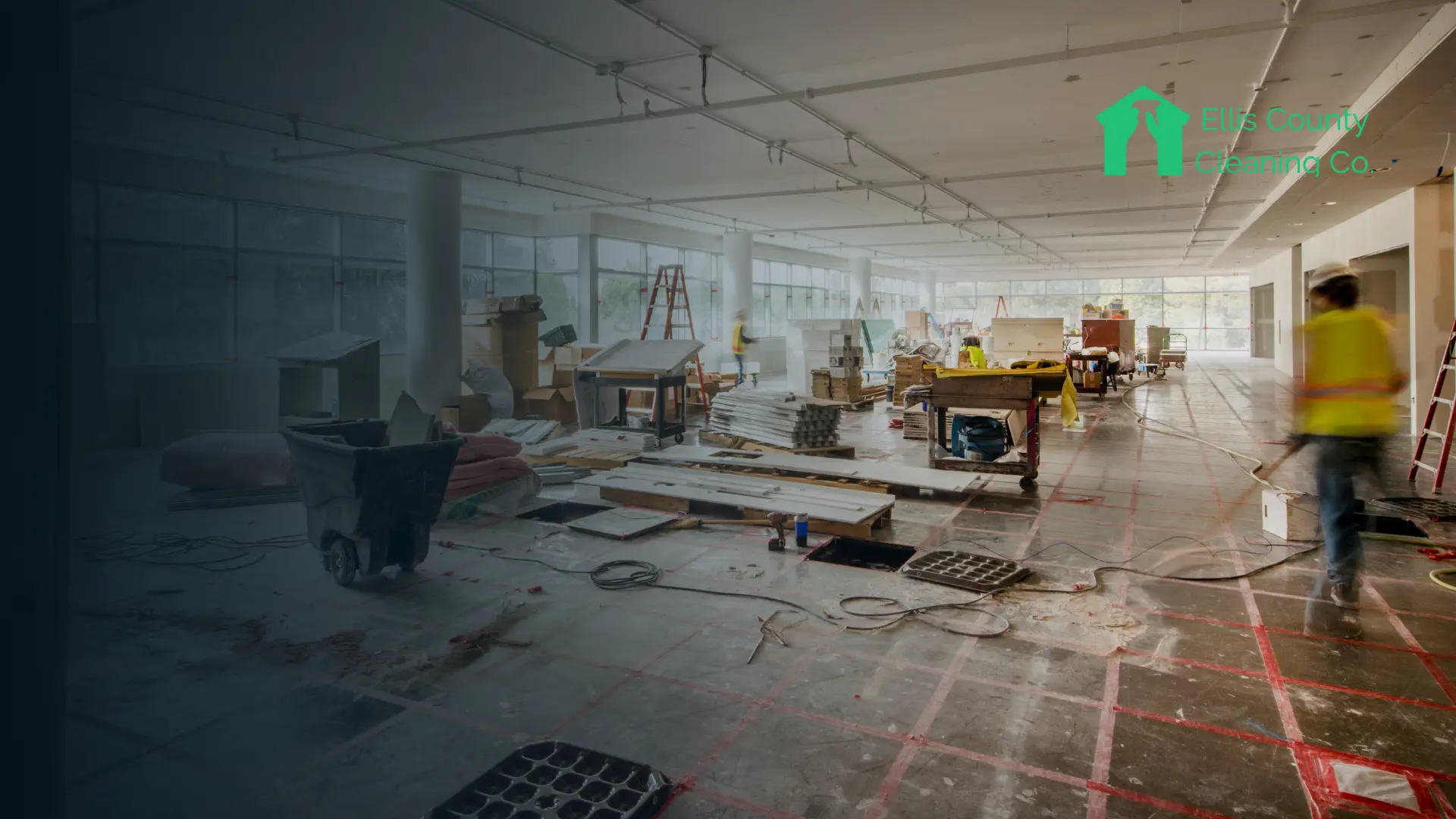
Construction dust on walls is not like regular household dust. It contains fine particles from drywall, concrete, wood, and adhesives that settle into surfaces and are difficult to remove without the right approach.
Tackling it the wrong way can scratch paint, leave streaks, or push dust deeper into textured surfaces.
Why Construction Dust Requires a Different Approach
Before starting, review this post construction cleaning checklist to make sure wall cleaning fits into your overall site cleanup sequence correctly.
What makes construction dust harder to remove:
- Drywall dust is ultra-fine and clings to painted and textured surfaces
- Concrete and masonry dust contains silica particles that require protective equipment
- Adhesive residue mixed with dust creates a film that standard wiping does not cut through
- Disturbing dry dust without vacuuming first spreads it to other surfaces and into the air
What You Need Before You Start
Getting the right tools together before you begin saves time and prevents making the problem worse.
Protective Equipment
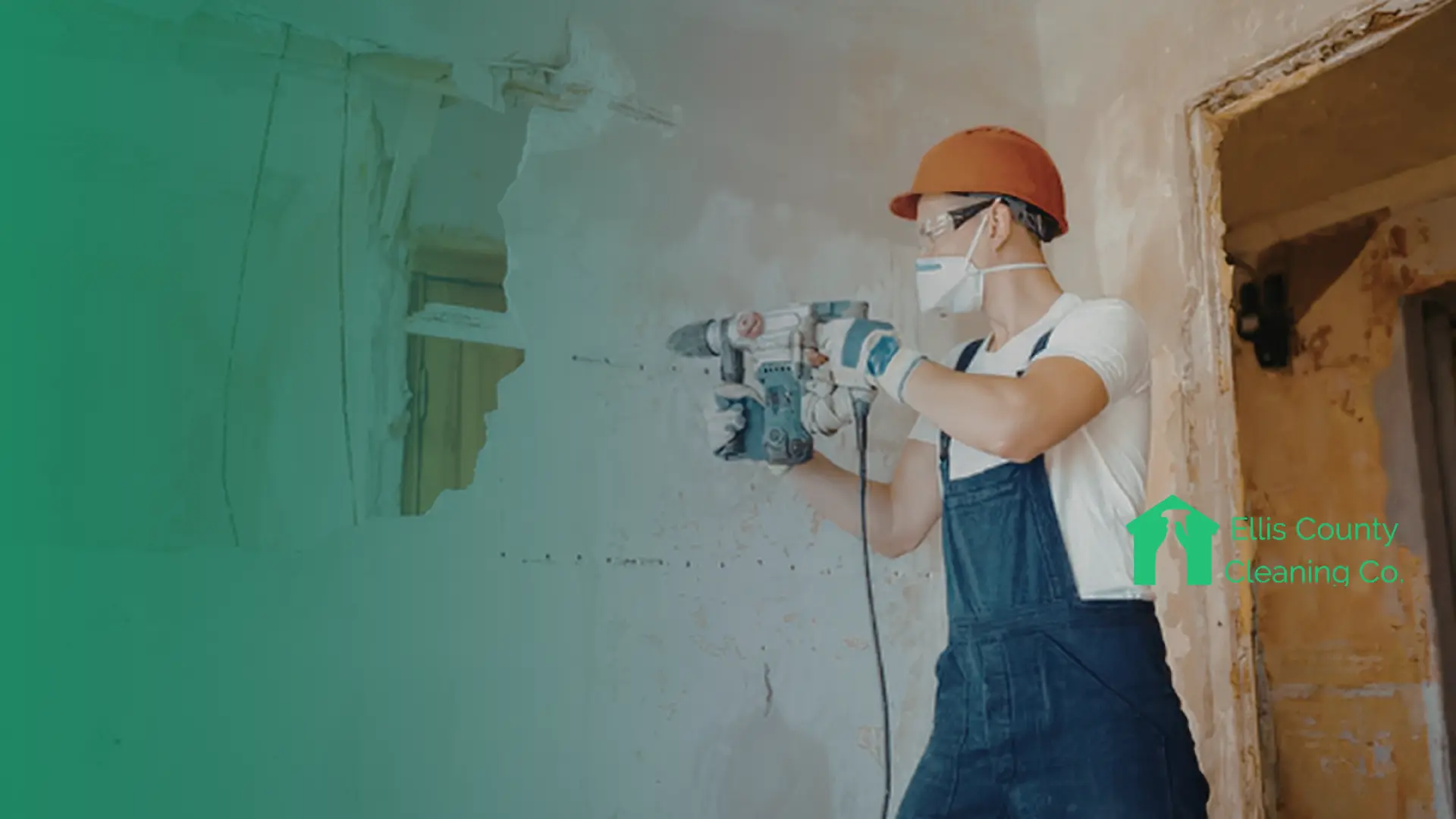
Construction dust exposure is a health concern, particularly in enclosed spaces. Wear an N95 mask, safety glasses, and gloves before disturbing any settled dust on walls or ceilings.
Vacuum With a HEPA Filter
A standard vacuum recirculates fine particles back into the air. A HEPA-filtered vacuum captures fine construction dust properly and is the most important tool for the first pass on any dusty wall.
Microfibre Cloths and Dry Sponges
Dry microfibre cloths and chemical dry sponges lift dust from smooth walls without smearing. Avoid standard cotton rags for the dry pass as they push fine particles around rather than trapping them.
Mild Cleaning Solution
A bucket of warm water with a small amount of dish soap handles the damp wipe-down phase after vacuuming. Do not use strong chemical cleaners on painted walls as they can strip finish or leave residue.
Extendable Handle or Ladder
Construction dust settles at the top of walls first and works its way down. Starting at the top requires safe access to upper wall sections before any wiping begins.
How to Remove Construction Dust From Walls Step by Step
For a full breakdown of what professional post construction cleaning covers beyond walls, see what is construction cleaning and what does it include.
Step 1: Ventilate the Space
Open windows and run exhaust fans before disturbing any dust. Proper ventilation reduces airborne particle concentration as you work and protects anyone in adjacent rooms.
Step 2: Vacuum All Wall Surfaces First
Use a HEPA vacuum with a soft brush attachment and work from the top of the wall downward. Vacuuming before any wiping removes the majority of loose dust and prevents it from spreading when you apply moisture.
Step 3: Dry Wipe With a Microfibre Cloth
After vacuuming, do a dry wipe from top to bottom using a clean microfibre cloth or dry sponge. Change clothes frequently as they become saturated with dust to avoid redistributing what you have already lifted.
Step 4: Damp Wipe With a Mild Solution
Wring a microfibre cloth almost completely dry before applying it to the wall. Too much moisture on drywall causes bubbling, streaking, or damage to the paper facing beneath painted surfaces.
Step 5: Allow Walls to Dry Fully
Let all walls air dry completely before closing windows or running HVAC systems. Sealing a room before walls are dry traps moisture and can promote mildew growth in drywall, particularly in Texas humidity.
Step 6: Vacuum Floors and Surfaces Again
Dust that was lifted from walls settles on floors and furniture during cleaning. A second vacuum pass after walls are done ensures the space is genuinely clean rather than just moving dust from one surface to another.
Cleaning Construction Dust From Different Wall Types
Not all walls respond the same way to the same technique. Knowing your wall type prevents damage during cleaning.
Smooth Painted Walls
These are the most forgiving surfaces to clean. The dry vacuum and damp wipe sequence works well, and a fresh coat of paint after cleaning is often the fastest way to achieve a perfectly clean finish if dust has settled into the paint surface itself.
Textured or Stippled Walls
Textured surfaces trap dust in the ridges and require more vacuum passes before wiping. Aggressive scrubbing on textured walls causes surface damage, so patience with the vacuum attachment is more effective than pressure with a cloth.
Unpainted Drywall
Unpainted drywall is the most sensitive surface to moisture. Limit damp wiping entirely on unpainted drywall and rely on vacuuming and dry sponges until the surface is primed and sealed.
Brick or Concrete Block Walls
Porous masonry surfaces require a stiff brush for dry cleaning followed by a damp wipe. Silica dust on masonry walls should always be handled with an N95 mask and proper ventilation given the respiratory risks associated with fine concrete particles.
When to Call a Professional Instead
Some post construction cleaning situations are beyond what a DIY approach can handle effectively. Understanding the type of cleaning services available helps you decide when professional help makes more sense than doing it yourself.
Large-Scale Commercial Projects
Cleaning construction dust from walls across thousands of square feet of commercial space is a multi-day professional job. Attempting it without the right equipment and crew size results in incomplete cleaning and extended downtime for the property.
Heavy Silica or Concrete Dust
Sites with significant concrete cutting, masonry work, or demolition leave behind dust that requires professional-grade equipment and safety protocols. Disturbing silica dust without proper containment and filtration creates health risks that go beyond the scope of a standard DIY cleanup.
Pre-Sale or Handover Deadlines
When a property needs to be presentation-ready by a specific date, professional cleaning ensures nothing is missed and the timeline is met. See how to hire the best post construction cleaning company if you are ready to bring in a crew for your project.
Conclusion
Removing construction dust from walls takes the right sequence, the right tools, and patience with each phase. Vacuuming before wiping, working top to bottom, and using minimal moisture on painted surfaces are the three principles that make the biggest difference in the result.
Get Your Free Quote from EC Cleaning Co: (469) 336-3690
People Also Ask
Is construction dust harmful to breathe?
Yes. Fine construction dust, particularly from drywall, concrete, and wood cutting, contains particles small enough to reach deep into the lungs. Silica dust from concrete and masonry is classified as a carcinogen by the International Agency for Research on Cancer. Always wear an N95 mask when cleaning or disturbing settled construction dust in any enclosed space.
How long does construction dust stay in the air?
Fine drywall and concrete dust particles can remain suspended in the air for several hours after being disturbed. Without adequate ventilation, particles continue to resettle on cleaned surfaces long after you have finished wiping them down.
Can construction dust damage painted walls?
Yes. Fine abrasive particles in construction dust can scratch paint surfaces if wiped dry without vacuuming first. The dry vacuum pass before any wiping is what protects the paint finish from the abrasive particles suspended in the dust layer.
How much does professional post construction cleaning cost in Ellis County?
Professional post construction cleaning in the DFW area is priced based on square footage, site condition, and scope of work. See the construction cleaning pricing guide for a detailed breakdown of what to expect before requesting a quote.